Car Dies While Idling but Restarts: Causes and Checks
Car dies while idling but restarts? The quick restart means the engine can still run, but something is letting its speed fall below a stable idle. The trigger may be an air leak, dirty throttle passage, stuck purge valve, weak electrical supply, lost sensor signal, misfire, or excess transmission load.
Notice exactly when it stalls. A car that dies only in Drive at a stop needs different checks from one that dies in Park, after refueling, with the air conditioner on, or only when hot. Save the codes and scan data before replacing a part.
What an Idle-Only Stall Usually Means
- It restarts at once and idles normally in Park: Check what changed in Drive, including idle-load control and torque-converter clutch release.
- RPM dips several times before the stall: Inspect the throttle body, idle controls, intake hoses, PCV system, brake booster, and purge valve.
- The engine stops cleanly with no shaking: Check crankshaft-sensor data, main power, grounds, and engine-computer power.
- It stalls after refueling: Test the EVAP purge valve and tank-vapor controls.
- It stalls only when hot, then needs time to restart: Look for a heat-sensitive sensor, relay, pump, wiring connection, or ignition part.
- One cylinder misfires first: Test that cylinder’s plug, coil, injector, and compression.
- The dash or radio resets: Start with battery cables, grounds, main fuses, and the ignition switch.
A restart does not prove that the car is safe. The fault can return when you are turning across traffic, waiting at an intersection, or moving through a parking lot.
Move the Car Safely Before Testing
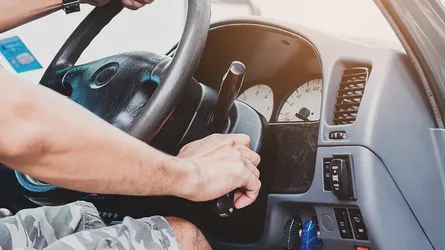
If the engine dies in traffic, turn on the hazard lights and keep steady pressure on the brake. Steering and braking may need more effort with the engine off. Shift to Neutral and restart only when you can do so without losing control of the car.
Pull into a safe place if the engine stalls more than once. Arrange a tow if there is a red oil-pressure or temperature warning, smoke, a fuel smell, hard braking, heavy steering, or a new mechanical noise. Do not stand between the car and moving traffic.
Use the owner’s manual for the restart procedure on your model. Also check the vehicle identification number with the NHTSA recall lookup. A model-specific safety recall or manufacturer communication can change the correct repair path.
Match the Stall to Its Trigger
| When it dies | More likely area | Best first evidence |
|---|---|---|
| In Park or Neutral | Airflow, ignition, fuel mixture, sensor signal, or charging | Codes, fuel trims, misfire counts, and voltage |
| In Drive at a stop | Idle-load control or transmission drag | Park-versus-Drive RPM and transmission codes |
| When the brake is held | Brake-booster hose, check valve, or booster leak | Fuel trims and a controlled booster test |
| When the air conditioner starts | Idle compensation, compressor drag, belt, or charging | Commanded idle, compressor noise, and voltage |
| Soon after refueling | Purge valve stuck open or excess vapor | Purge command, flow test, and fuel trims |
| Only when fully warm | Heat-sensitive sensor, relay, pump, or connection | Scan data and voltage recorded during the stall |
| After a bump or turn | Loose cable, ground, connector, or fuel pickup issue | Visual inspection and voltage-drop test |
This table chooses the first system to test. It does not prove which part failed.
Diagnose an Idle Stall in This Order
1. Save codes and the conditions around the stall
Read stored, pending, permanent, engine, and transmission codes before clearing anything. Save freeze-frame data if the scanner provides it. The EPA’s explanation of onboard diagnostics notes that the computer stores a diagnostic trouble code when a monitored problem is found.
Use the OBD-II error code lookup to identify the system named by a code. A code does not always identify the failed part. A loose connector, missing power supply, air leak, or mechanical problem can make a good sensor report an unexpected value.
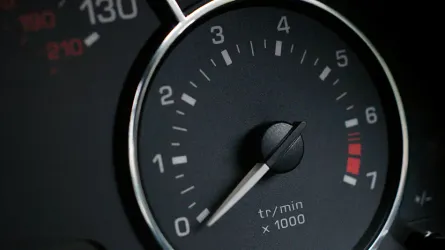
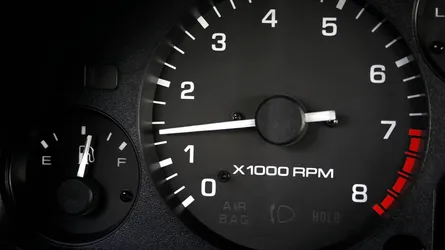
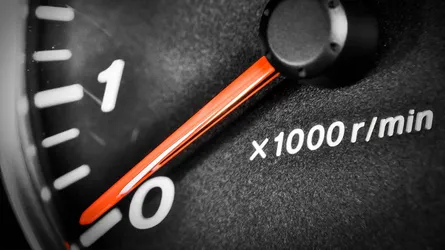
Write down the coolant temperature, vehicle speed, gear, fuel level, outside temperature, and electrical loads. Note whether the tachometer fell slowly or dropped to zero at once. Do not disconnect the battery because that may erase useful evidence.
2. Compare actual idle with the commanded target
Warm the engine outdoors or in a properly ventilated work area. With the parking brake set, compare actual RPM with commanded idle in Park and Drive. Turn the air conditioner and headlights on one at a time.
A small dip followed by a quick recovery can be normal. Repeated drops or a stall mean the engine cannot add enough air and torque for the new load. The guide to RPM dropping while idle explains how brake, steering, air-conditioning, and electrical loads change the diagnosis.
If RPM is low only in Drive, scan the transmission module as well as the engine module. If it is low in every gear, focus first on engine airflow, mixture, ignition, and mechanical condition.
3. Inspect the throttle and every source of unmetered air
Check the air duct after the mass-airflow sensor, vacuum hoses, PCV connections, brake-booster hose, intake seals, and purge line. Look underneath flexible hoses for cracks that are hidden from above.
Deposits around a throttle plate can reduce the small airflow needed at idle. Older vehicles may use a separate idle-air control valve. Newer vehicles control idle with an electronic throttle motor. Use the cleaning and relearn procedure for the exact vehicle. Do not force an electronic throttle plate or spray flammable cleaner around a running engine.
Fuel trims that are strongly positive at idle but move closer to normal when RPM is raised can support an intake-leak theory. A smoke test is safer and more useful than guessing at hoses.
4. Test the purge valve and EGR system
An EVAP purge valve that stays open can feed too much vapor or air into the intake at idle. Common clues include rough starting after refueling, fuel odor, changing fuel trims, and a stall that clears after the engine restarts.
An EGR valve that does not close can also upset idle because exhaust gas is entering when the engine needs a stable fresh-air charge. Test commanded position, wiring, passages, and actual flow before replacing either valve.
Do not top off the fuel tank after the pump nozzle clicks off. Liquid fuel entering the vapor system can damage the canister and make purge-related problems harder to diagnose.
5. Check battery voltage, charging, and grounds
Low voltage can slow the throttle motor, weaken ignition, change sensor readings, or reset a control module. Inspect the battery terminals, engine ground strap, body grounds, main fuses, and charging belt. Look for corrosion, heat damage, loose fasteners, and rubbed wiring.
Use the alternator voltage readings checker to organize measurements at idle and under electrical load. A proper voltage-drop test across the power and ground paths is more useful than judging a cable by appearance.
The battery warning light normally comes on after any stall because the alternator has stopped spinning. It becomes evidence of a charging problem only if voltage fell or other electrical symptoms appeared before the engine stopped.
6. Check whether the engine lost its speed signal
The engine computer needs crankshaft and camshaft position signals to control spark and fuel. If a crank signal disappears, the engine may stop cleanly and restart as soon as the signal returns.
During a no-start, check whether the scanner still shows engine RPM while the starter turns. Inspect the sensor wiring near hot or moving parts. A technician can use a scope to test the signal while the failure occurs. Replacing the sensor based only on a stall pattern is not a complete test.
7. Separate fuel trouble from a misfire
A fuel-supply problem may cause hesitation, surging, or a lean reading before the engine stops. Test fuel pressure against the vehicle specification while the fault occurs. Pressure that looks normal after the restart may hide a weak pump, poor power supply, restricted filter, or control-module fault.
One failed plug, coil, injector, or weak cylinder usually causes shaking before a stall. Save the misfire codes and counts. The cylinder misfire helper can identify the cylinder named by a P0300-series code. Confirm the cause with ignition, injector, compression, or leak-down tests.
Gasoline direct-injection systems can hold dangerous pressure after the engine stops. Do not loosen a high-pressure line without the specified tools and release procedure.
8. Check for transmission drag when it stalls in gear
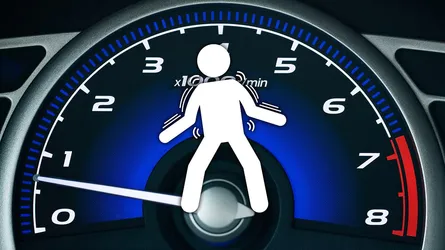
If the engine idles normally in Park but shudders and dies as the car stops in Drive, the torque-converter clutch may not be releasing. The symptom can feel like stopping a manual car without pressing the clutch.
A General Motors bulletin filed with NHTSA documents this exact pattern with code P0742 on certain models. It also says the engine can restart at once. That bulletin applies only to the listed vehicles, but it shows why transmission codes and live data matter.
Compare commanded and actual torque-converter clutch status. Also check for transmission warnings, harsh shifts, or a stall that happens only at the end of a stop. Do not replace transmission parts without model-specific testing.
What the Restart Timing Can Reveal
- Immediate restart: Look closely at idle control, purge flow, transmission drag, a brief electrical interruption, or a position signal that returned.
- Long cranking before restart: Check fuel pressure, mixture, flooding, and crankshaft-signal data.
- Restart only after cooling: Record heat-sensitive sensor, relay, pump, coil, or wiring behavior during the no-start.
- Restart only with the accelerator pressed: Check throttle airflow, excess fuel, purge flow, and the procedure in the owner’s manual.
- Restart in Park but stall again in Drive: Compare idle-load control with transmission drag.
The timing is a clue, not a parts list. Test the suspected system while the fault is active whenever possible.
Confirm the Cause Before Driving Normally
The repair is not proven by one successful restart. Repeat the same warm idle, gear, braking, air-conditioning, or refueling condition that caused the stall. Confirm that actual idle follows its target, voltage stays stable, codes do not return, and the engine does not shake or dip.
If the engine instead loses RPM at cruising speed, use the checks for RPM dropping while driving. If it shuts off at road speed, follow the safety and diagnosis steps for a car that stalls while driving but starts back up.
Give a repair shop the saved codes, freeze-frame data, restart time, and exact trigger. Those facts are more useful than saying only that the car stalls sometimes.